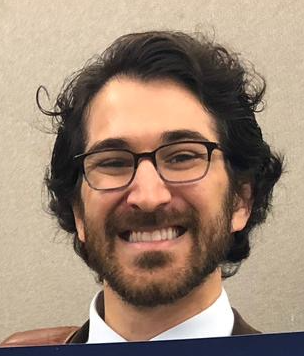
CardioNerds Tommy Das (Program Director of the CardioNerds Academy and cardiology fellow at Cleveland Clinic), Rick Ferraro (cardiology fellow at the Johns Hopkins Hospital), and Dr. Xiaoming Jia (Cardiology Fellow at Baylor College Medicine) take a closer look at the mechanism of icosapent ethyl in triglyceride lowering and ASCVD risk reduction with Dr. Michael Shapiro, the Fred M. Parrish professor of cardiology at Wake Forest University and Director of the Center for Preventative Cardiology at Wake Forest Baptist Health. Audio editing by CardioNerds Academy Intern, student doctor Akiva Rosenzveig.
This episode is part of the CardioNerds Lipids Series which is a comprehensive series lead by co-chairs Dr. Rick Ferraro and Dr. Tommy Das and is developed in collaboration with the American Society For Preventive Cardiology (ASPC).
Relevant disclosures: None
Pearls • Notes • References • Guest Profiles • Production Team
CardioNerds Cardiovascular Prevention Page
CardioNerds Episode Page
CardioNerds Academy
Cardionerds Healy Honor Roll
CardioNerds Journal Club
Subscribe to The Heartbeat Newsletter!
Check out CardioNerds SWAG!
Become a CardioNerds Patron!
- EPA and DHA have differing biological properties that may explain differences in ASCVD risk reduction observed in cardiovascular outcome trials 1.
- The REDUCE-IT trial, which enrolled secondary prevention and high-risk primary prevention patients with elevated triglycerides who were on statin therapy, showed significant reduction of major adverse cardiovascular events in the icosapent ethyl group compared with a mineral oil placebo2.
- Only modest reductions of TG were seen in the REDUCE-IT and JELIS trials despite association with significant reduction in events 2,3. Potential mechanisms contributing favorable effects of EPA on ASCVD risk reduction include inhibition of cholesterol crystal formation, stabilization of membrane structures, reversal of endothelial dysfunction, inhibition of lipoprotein and membrane lipid oxidation 4.
- Pleotropic effects of EPA include influence on platelet aggregation, lower thromboxane activity, increased prostaglandin level, and effects on blood pressure, insulin resistance and inflammation.
- Triglycerides are a surrogate for triglycerides-rich lipoproteins, which are likely causally associated with ASCVD 5.
- There is increased signal for bleeding, lower extremity edema, and atrial fibrillation with icosapent ethyl but overall side effect rates are very low 2.
- In order to ensure higher rates of medication access and adherence, clinicians must be cognizant of the cost to the patient. In practice, it is important to have a structured approach to improve insurance approval rate for medications that require prior authorizations
- With icosapent ethyl, cost effectiveness analyses have shown the medication is cost-effect for ASCVD risk reduction in secondary prevention patients and high-risk diabetic patients6.
- While moderate hypertriglyceridemia (150-499mg/dL) is likely a marker for increased residual risk for ASCVD, those with severe hypertriglyceridemia (>=500mg/dL) are also at risk for acute pancreatitis. Remember that these are fasting levels and post-prandial levels are likely much higher (i.e., in the thousands).
- In most scenarios, hypertriglyceridemia is driven by a combination of environmental and genetic factors. Environmental factors to consider when treating these patients include diet, alcohol intake, metabolic syndrome, diabetes, hypothyroidism, nephrotic syndrome, CKD, medications (ie. anti-rejection medications, steroids, thiazides).
- Hypertriglyceridemia is very amenable to lifestyle modification – diet, weight loss, exercise, diabetes control, etc.
- Equations for estimating LDL-C are generally not accurate when TG is severely elevated. In these circumstances we can instead use direct LDL-C, non-HDL-C, or apoB.
- We are entering an exciting era of preventative cardiology with many new therapeutics in the pipeline.
Dr. Michael Shapiro the Fred M. Parrish professor of cardiology at Wake Forest University and leader in the field of cardiovascular prevention. He is the Director of the Center for Preventative Cardiology at Wake Forest Baptist Health and has published widely in the field of atherosclerosis imaging and cardiovascular health.
Dr. Xiaoming JiaDr. Xiaoming Jia is a cardiology fellow at Baylor College of Medicine
CardioNerds Lipids Production Team Tommy Das, MD Dr. Rick Ferraro Amit Goyal, MD Daniel Ambinder, MD POWERED BY BLUBRRY